
Aclara Inaugurates Rare Earth Separation Pilot Plant in Virginia Tech to Advance U.S. Supply of Heavy Rare Earths
Pilot plant will validate Aclara's proprietary rare earth separation technology, supporting production of separated rare earth oxides in the United States and accelerating the development of Aclara's industrial facility in Louisiana
TORONTO, ON / ACCESS Newswire / March 19, 2026 / Aclara Resources Inc. ("Aclara" or the "Company") (TSX:ARA) is pleased to announce the inauguration of its rare earth separation pilot plant located at Virginia Tech in Blacksburg, Virginia. The facility represents a major milestone in Aclara's strategy to establish a vertically integrated rare earth supply chain in the Western Hemisphere and support the development of its planned industrial-scale separation facility in Louisiana.
The pilot plant has been designed to validate and optimize Aclara's proprietary rare earth separation technology using high-purity mixed rare earth carbonates, with high concentration of heavy rare earths, that will be produced from the Company's ionic clay deposits in Brazil and Chile. The facility will also generate operational data to support the engineering and ramp-up of Aclara's future industrial-scale plant in the U.S.
The inauguration ceremony brought together senior leadership from Virginia Tech, Argonne National Laboratory, L3 Process Development, Aclara, and representatives from the U.S. government including the Department of Energy (DOE) and the U.S. International Development Finance Corporation (DFC), highlighting the strategic importance of establishing domestic capabilities to process heavy and light rare earths currently restricted by China. Last year, Aclara secured $5 million in project development financing from DFC to support the feasibility study for its rare earth project in Brazil.
Please watch a video of the inauguration ceremony at https://youtu.be/JeWP85PMnIA.
Executive remarks
Eduardo Hochschild, Chairman of Aclara, commented:
"Demonstrating that Aclara possesses the technology to separate rare earths-including Chinese-restricted heavy rare earths-in the United States represents a major milestone. This achievement is especially significant because Aclara has the heavy rare earth ionic clay deposits needed to supply the process, delivering a sustainable and reliable source of these critical materials to the Western Hemisphere. Today's event consolidates Aclara's position as a technology-driven company with secured, sustainable feedstock-positioning Aclara as a key player in reducing Western dependence on restricted global supply chains. We will continue to work to confirm and improve our technology, which, in the medium term, we also plan to apply in Brazil and other countries where we operate."
Christopher Saldaña, Deputy Assistant Secretary, Office of Critical Minerals, Materials, and Manufacturing, U.S. Department of Energy, commented:
"Developing domestic capabilities for critical minerals processing strengthens U.S. energy security and manufacturing competitiveness. Industry, national laboratories, universities, and government collaboration is key to building and scaling resilient supply chains for these strategic materials."
David Hester, DFC Managing Director for Project Development, commented:
"DFC is pleased that our project development financing is providing vital capital to accelerate the development of Aclara's supply chain in South America. We are thrilled to support such an impactful project that aligns with our priority of building more diverse, resilient critical mineral supply chains, creating jobs in the United States, and bolstering economic development among our partner countries."
Aaron Noble, Professor and Department Head of Mining and Minerals Engineering at Virginia Tech, commented:
"Aclara's pilot facility represents an important opportunity for collaboration between academia and industry. The project will advance research in rare earth separations while providing hands-on training opportunities for students and researchers at Virginia Tech. Partnerships like this are critical for developing the technologies and workforce needed to strengthen domestic critical mineral supply chains."
Claus Daniel, Associate Laboratory Director at Argonne National Laboratory, commented:
"Argonne is proud to support this initiative through the development of advanced digital tools and artificial intelligence models that will help optimize rare earth separation processes. The data generated at this pilot plant will contribute to the development of a digital twin capable of improving operational efficiency and accelerating the ramp-up of future industrial facilities."
Tommee Larochelle, Managing Partner, L3 Process Development, commented:
"This facility goes beyond traditional piloting-it is a true demonstration of an integrated rare earth separation flowsheet, validating the full process and enabling the production of commercial-grade materials. In an industry where development timelines often span several years, this project redefines what is possible. Achieving this level of execution in such a compressed timeline reflects both Aclara's clear vision and the strength of our technical collaboration."
Inauguration Highlights
The event was attended by representatives from Virginia Tech, Argonne National Laboratory, the U.S. Department of Energy, the DFC, and other government and industry stakeholders, including:
Eduardo Hochschild, Chairman, Aclara Resources
Ramón Barúa, Chief Executive Officer, Aclara Resources
Christopher Saldaña, Deputy Assistant Secretary, Office of Critical Minerals, Materials, and Manufacturing, U.S. Department of Energy
Aaron Noble, Professor and Department Head, Mining and Minerals Engineering, Virginia Tech
Claus Daniel, Director, Advanced Energy Technologies, Argonne National Laboratory
Dennis Mesina, Acting Director for Market Development, Office of International Affairs, U.S. Department of Energy
Allison Bennett, Director, Supply Chain & Critical Materials Research, Argonne National Laboratory
Nicolas Burr, CEO, Grupo CAP
Tommee Larochelle, Managing Partner, L3 Process Development
Brad Fravel, Executive Director LINK, The Center for Advancing Partnerships, Virginia Tech
Pilot Plant Highlights
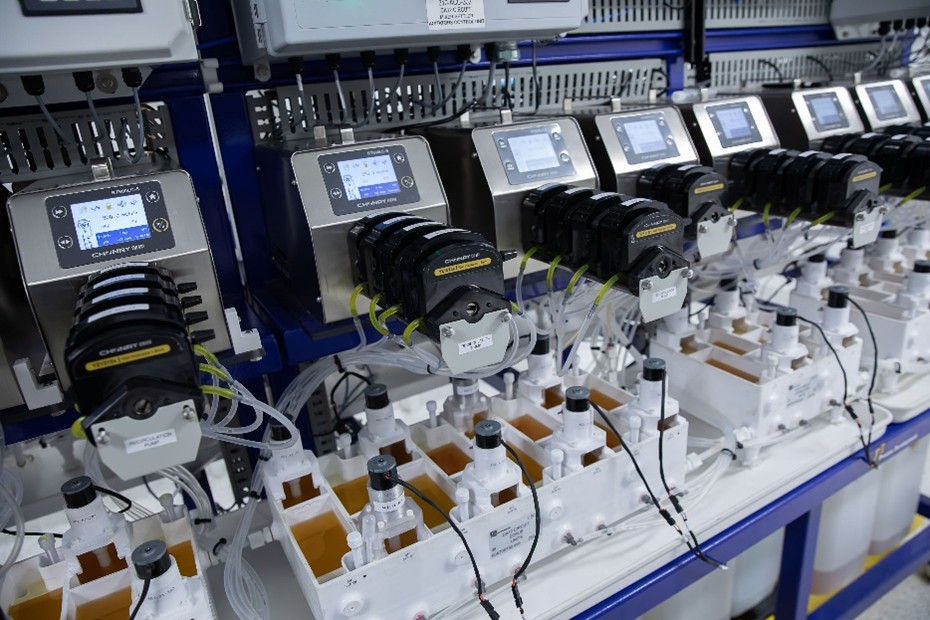
Aclara's separation pilot plant is now commissioned and operational.
Process designed to produce separated Dy, Tb and NdPr.
Fully staffed and prepared for continuous 24/7 operations since April.
Operational data already being generated to support development of an AI-driven digital twin, with progress advancing rapidly.
Dedicated team of Virginia Tech PhD researchers actively engaged in process optimization and advanced technical analysis.
The facility is expected to produce its first separated light rare earth oxides (NdPr) in May 2026 and heavy rare earth oxides (Dy and Tb) in August 2026.
 Figure 2: Ribbon cutting ceremony |  Figure 3: Representatives from Aclara, U.S. Department of Energy, Virginia Tech, Argonne National Laboratory and L3 Process Development |
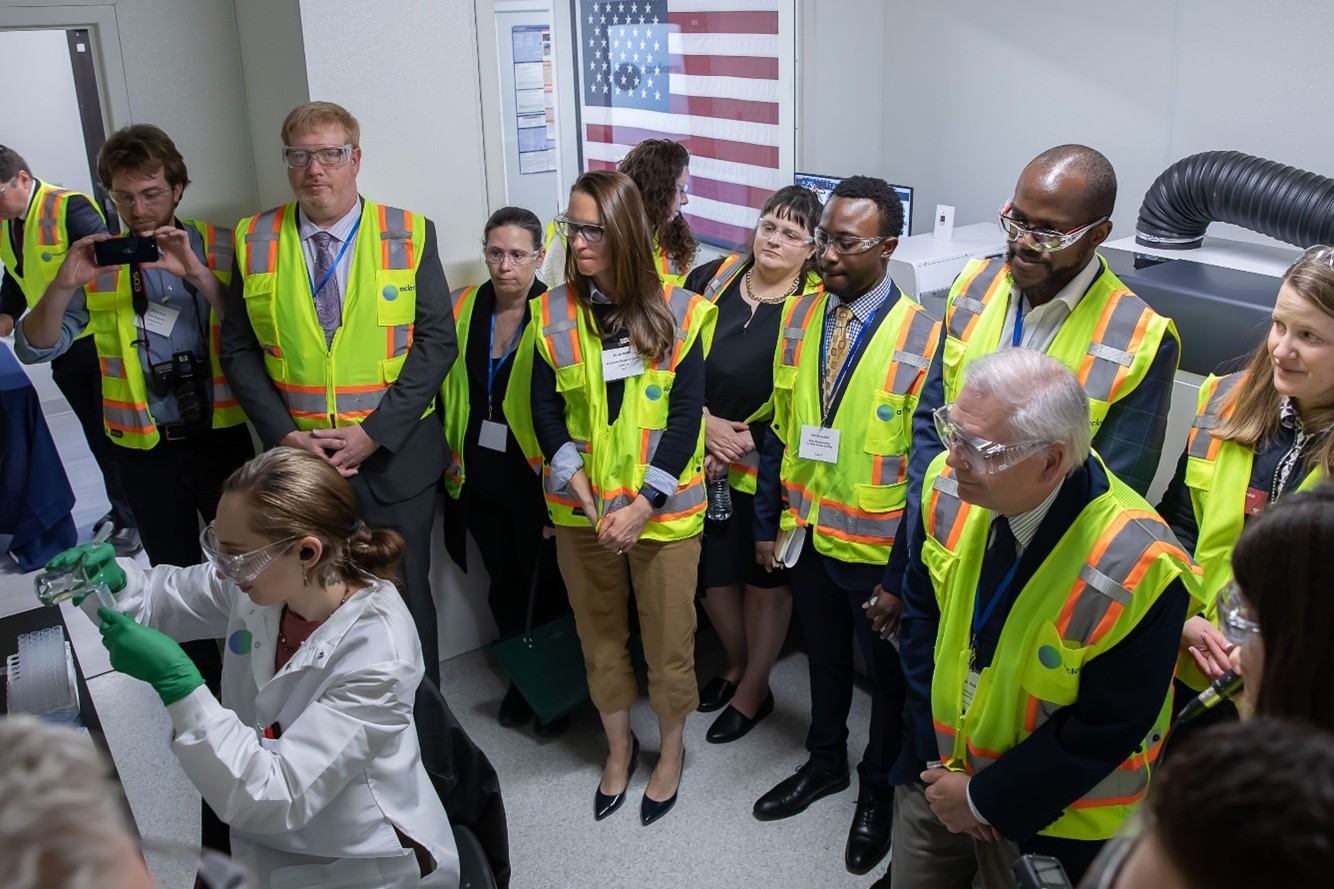
 Figure 5: Ramon Barua, CEO Aclara |  Figure 6: Christopher Saldaña, Deputy Assistant Secretary, Office of Critical Minerals, Materials, and Manufacturing, U.S. Department of Energy |  Figure 7: Dr. Aaron Noble, Department Head Mining and Minerals Engineering, Virginia Tech |
 Figure 8: Aclara's separation pilot plant in operation |  Figure 9: Aclara's separation pilot plant in operation |
Objectives of the pilot plant
The pilot plant will play a key role in advancing Aclara's U.S. industrial strategy by:
Validating Aclara's proprietary rare earth separation technology with feedstock from its ionic clay deposits in Brazil and Chile
Generating operational data to support the engineering, ramp-up, and optimization of the Company's commercial separation facility
Developing an AI-driven digital twin of the separation process in collaboration with Argonne National Laboratory; and
Training our workforce in rare earth separation and advanced hydrometallurgical processes
Integration with Aclara's planned Louisiana commercial facility
The Virginia Tech pilot plant is a critical step towards the development of Aclara's planned rare earth separation plant in Louisiana, which is expected to become the first facility in the United States capable of producing significant volumes of heavy rare earth oxides integrated with ionic clay deposits.
Aclara has selected a site at the Port of Vinton, Louisiana, for the development of this industrial facility, which is designed to produce high-purity Dysprosium, Terbium, Neodymium, and Praseodymium oxides used in permanent magnets and advanced technologies.
Key aspects of the Louisiana project include:
Engineering: Aclara has retained Hatch Ltd. to advance the engineering of the project and coordinate the integration with the Company's upstream mining operations.
Capital investment: Approximately US$277 million is expected to be invested to develop the commercial separation facility.
Permitting and incentives: The project is being developed in collaboration with the State of Louisiana, which is supporting the investment through $46.4 million in tax incentives and grants.
Production timeline: Subject to financing and project development milestones, the Company is targeting the start of operations for the Louisiana facility by mid-2028.
About Aclara
Aclara Resources Inc. (TSX: ARA), a Toronto Stock Exchange listed company, is focused on building a vertically integrated supply chain for rare earths alloys used in permanent magnets. This strategy is supported by Aclara's development of rare earth mineral resources hosted in ionic clay deposits, which contain high concentrations of the scarce heavy rare earths, providing the Company with a long-term, reliable source of these critical materials. The Company's rare earth mineral resource development projects include the Carina Project in the State of Goiás, Brazil as its flagship project and the Penco Module in the Biobío Region of Chile. Both projects feature Aclara's patented technology named Circular Mineral Harvesting, which offers a sustainable and energy-efficient extraction process for rare earths from ionic clay deposits. The Circular Mineral Harvesting process has been designed to minimize the water consumption and overall environmental impact through recycling and circular economy principles. Through its wholly-owned subsidiary, Aclara Technologies Inc., the Company is further enhancing its product value by developing a rare earths separation plant in the United States. This facility will process mixed rare earth carbonates sourced from Aclara's mineral resource projects, separating them into pure individual rare earth oxides. Additionally, Aclara through a joint venture with CAP, is advancing its alloy-making capabilities to convert these refined oxides into the alloys needed for fabricating permanent magnets. This joint venture leverages CAP's extensive expertise in metal refining and special ferro-alloyed steels. Beyond the Carina Project and the Penco Module, Aclara is committed to expanding its mineral resource portfolio by exploring greenfield opportunities and further developing projects within its existing concessions in Brazil, Chile, and Peru, aiming to increase future production of heavy rare earths.
Forward-Looking Statements
This news release contains "forward-looking information" within the meaning of applicable securities legislation, which reflects the Company's current expectations regarding future events, including statements with regard to the anticipated validation and optimization of the Company's proprietary rare earth separation technology; the generation of operational data to support the engineering of a future industrial-scale plant in the United States; the expected production capacity, operational campaigns and performance objectives of the pilot-plant; the Company's ability to produce rare earth metals oxides in the pilot plant; the development and optimization of metallurgical processes and digital process models; the proposed industrial development of the industrial separation facility in Louisiana; the expected supply of high-purity mixed rare earth carbonates from the Company's ionic clay deposits in Brazil and Chile; the Company's vertical integration strategy across the rare earth value chain; and the timing of having a separation project ready for construction. Forward looking information is based on a number of assumptions and is subject to a number of risks and uncertainties, many of which are beyond the Company's control. Such risks and uncertainties include, but are not limited to, the factors discussed under "Risk Factors" in the Company's annual information form dated as of March 20, 2025, filed on the Company's SEDAR profile. Actual results and timing could differ materially from those projected herein. Unless otherwise noted or the context otherwise indicates, the forward-looking information contained in this news release is provided as of the date of this news release and the Company does not undertake any obligation to update such forward-looking information, whether as a result of new information, future events or otherwise, except as expressly required under applicable securities laws.
For further information, please contact:
Ramón Barúa Costa
Chief Executive Officer
[email protected]
SOURCE: Aclara Resources Inc.
Information contained on this page is provided by an independent third-party content provider. XPRMedia and this Site make no warranties or representations in connection therewith. If you are affiliated with this page and would like it removed please contact [email protected]
