
Emilio Parga: Why Grief Isn't About Moving On But Growing Forward With Loss
RENO, NV / ACCESS Newswire / February 17, 2026 / The phrase surfaces repeatedly after someone dies: time to move on. Well-meaning friends suggest it's been long enough. Colleagues wonder when the grieving person will get back to normal. Family members worry that continued sadness signals unhealthy attachment. The underlying message is consistent: grief should be temporary, something to get over and leave behind. Emilio Parga has spent his career proving this entire framework is wrong.
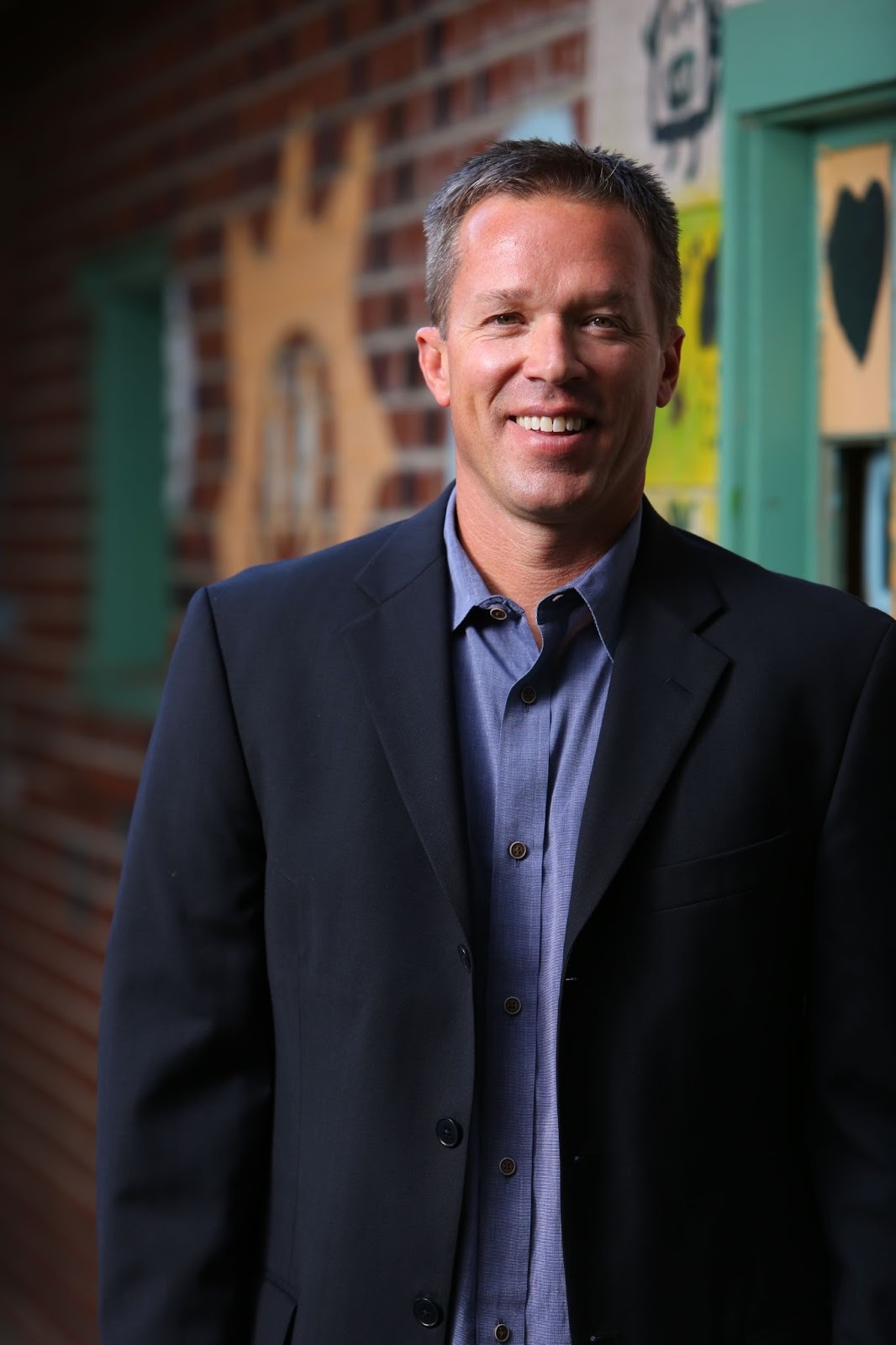
As founder and CEO of The Solace Tree, Parga works with children, teens, families, companies, and athletic teams navigating loss. What he's learned is that healing isn't about moving on from grief but growing forward with it. The goal isn't returning to who you were before loss but becoming someone who integrates that loss into ongoing life. It's not about forgetting the person who died but learning to carry their memory without being crushed by it.
This distinction matters enormously for how communities support grieving people. The moving on framework puts pressure on the bereaved to perform recovery on others' timelines. It suggests that ongoing sadness indicates failure to cope. It positions grief as obstacle to overcome rather than experience to integrate. The result is people who feel ashamed of their continued grief, who hide ongoing struggles to appear healed, who lose support precisely when they need it most because others assume they've moved on.
The growing forward framework offers something different. It acknowledges that significant loss changes people permanently. A child who loses a parent will always be someone whose parent died. A spouse who loses their partner carries that relationship forward even in its absence. A team that loses a member is forever shaped by that loss. These aren't pathologies requiring cure but realities requiring integration.
What Parga teaches is that integration happens through conversation, not silence. Through continued acknowledgment rather than forced forgetting. Through communities that make space for both grief and joy simultaneously. The person who died becomes part of ongoing narrative rather than topic to avoid. Their absence is honored without pretending they never existed. Grief evolves from acute crisis to chronic companion that visits less intensely but never entirely disappears.
Consider what this looks like practically. A family that lost their teenage son learns to tell stories about him at dinner without everyone falling apart. The stories make them laugh and cry simultaneously. They discover they can miss him intensely while still experiencing joy. They mark his birthday each year not by pretending nothing happened but by doing something he would have loved. The grief doesn't diminish exactly, but its relationship to their daily lives shifts from overwhelming to integrated.
Or consider a workplace that lost a valued colleague years ago. Rather than acting like that person never existed, they keep a photo in the common area. New employees learn about them during orientation. The team marks anniversaries appropriately. When someone proposes an idea the deceased person would have championed, colleagues say so. The memory stays active without dominating. The loss is acknowledged without preventing forward motion.
Parga's professional recognition reflects expertise built over years of facilitating this kind of integration. A PBS Emmy Award, Communicator Awards of Excellence and Distinction, designation as Citizen of the Year, and national conference scholarships all validate his approach. But the real evidence comes from communities that learned to grow forward rather than trying futilely to move on.
The work requires challenging deeply embedded cultural assumptions. American society treats grief as problem to be solved through stages that culminate in acceptance and resolution. But research increasingly shows grief doesn't work that way. It's not linear. People don't progress through neat stages and emerge healed. They circle back repeatedly to early grief experiences even years later. Anniversaries, holidays, and unexpected triggers can reignite acute pain decades after loss.
Understanding this reality changes support strategies fundamentally. Instead of expecting people to be over it after some arbitrary timeline, communities learn to offer sustained support. Instead of treating ongoing grief as pathological, they normalize it as expected response to significant loss. Instead of pushing toward closure, they help people build lives that include rather than exclude grief.
The Solace Tree facilitates this shift through intentional dialogue that reframes healing. In peer groups, children learn that missing their deceased parent doesn't mean they're not coping well. In family sessions, parents discover they can create new traditions that honor loss while building forward. In workplace settings, teams recognize that mentioning the deceased colleague isn't bringing down morale but keeping valuable memory alive.
The methodology adapts to where people are in their grief journey. Immediately after loss, support focuses on surviving acute pain and establishing basic functioning. Months later, attention shifts to building life that accommodates permanent absence. Years afterward, work centers on integrating loss into identity and finding meaning in ongoing experience. Each phase requires different support but all operate from the growing forward framework.
Looking ahead, Parga envisions normalizing this understanding of grief across society. He wants children to learn early that loss doesn't have expiration dates. Families to understand that loving the deceased means carrying them forward, not leaving them behind. Organizations to recognize that high-performing teams can include members who grieve years after loss. The goal is cultural shift from grief as temporary crisis to grief as permanent part of human experience.
The obstacles are substantial because they're cultural rather than individual. Changing how society thinks about grief requires sustained effort across multiple domains. Schools need curricula that teach growing forward rather than moving on. Workplaces need policies that support ongoing grief beyond immediate bereavement leave. Media needs to portray realistic grief timelines rather than Hollywood resolutions. Families need language that makes space for both grief and joy simultaneously.
What makes this cultural shift urgent is the harm current frameworks cause. People who believe they should be over it by now but aren't often conclude something is wrong with them. They hide ongoing struggles, isolating themselves precisely when community support matters most. They feel guilty about continued sadness, as if loving the deceased person less would hurt less. They miss opportunities to integrate loss healthily because everyone around them expects them to have moved on.
The alternative framework liberates people from these impossible expectations. It gives permission to grieve as long as necessary, which paradoxically often helps people integrate loss more successfully. It normalizes complicated feelings like simultaneously missing someone and being happy. It makes space for grief to coexist with forward motion rather than requiring resolution before life continues.
For communities implementing this approach, outcomes improve measurably. Children who learn to grow forward rather than move on develop healthier relationships with loss throughout life. Families that make space for ongoing grief often grow closer rather than fragmenting. Organizations that support long-term integration retain grieving employees who might otherwise leave. The investment in reframing healing pays dividends across timescales and contexts.
What Parga has learned over years facilitating these shifts applies far beyond grief. Life includes many permanent changes that can't be undone or moved past. Chronic illness, disability, trauma, major life transitions all require growing forward rather than returning to previous normal. The skills learned in grief integration transfer to navigating all forms of irreversible change. Communities that learn this framework become more resilient broadly, not just in response to death.
The lessons challenge comfortable narratives about human resilience. Americans love stories about overcoming adversity, bouncing back, emerging stronger. These narratives aren't entirely wrong but they're incomplete. Sometimes resilience looks like continuing forward while carrying permanent weight. Sometimes strength means acknowledging ongoing struggle rather than performing recovery. Sometimes growth includes rather than excludes pain.
For individuals currently grieving, this framework offers relief from impossible expectations. You don't have to be over it. You don't have to return to who you were before. You don't have to choose between honoring the deceased and building forward. You can carry grief and joy simultaneously. You can grow around loss rather than past it. You can become someone shaped by that loss without being defined entirely by it.
For communities supporting grieving people, the invitation is to release timelines and performance metrics. Stop asking when someone will be back to normal, because normal changed permanently. Stop treating ongoing sadness as pathology requiring intervention. Stop expecting people to compartmentalize grief away from other life aspects. Instead, make space for both grief and forward motion. Honor continued connection to the deceased. Recognize that the best support often involves simply witnessing someone's ongoing process without rushing or fixing.
The work The Solace Tree does transforms communities by teaching them these distinctions. It's not subtle difference in language but fundamental shift in how grief is understood and supported. Communities that embrace growing forward rather than moving on become places where people feel genuinely supported through all of life's challenges, not just the ones that resolve neatly. They build cultures of authentic connection rather than performative wellness. They demonstrate that true healing includes rather than excludes the hardest parts of being human.
The transformation requires courage because it means sitting with discomfort rather than rushing toward resolution. It means tolerating others' ongoing pain without trying to fix it. It means acknowledging that some losses never stop hurting even as people build meaningful lives around them. But communities that develop this capacity discover something profound: the very things that make us human, our capacity for deep connection and love, are the same things that make loss so painful. And learning to grow forward with that pain rather than denying it is perhaps the most essential skill for navigating a fully human life.
David Dzierzega
Reno, Nevada
https://www.solacetree.org
[email protected]
SOURCE: Emilio Parga
Information contained on this page is provided by an independent third-party content provider. XPRMedia and this Site make no warranties or representations in connection therewith. If you are affiliated with this page and would like it removed please contact [email protected]
