
Hitem3D Emerges as Leading AI Tool for Creating 3D Printable Models from Images in 2026
As image-to-3D AI enters a more automated phase in 2026, the industry narrative is shifting in a subtle but significant way. For 3D printing professionals, speed means nothing if the model fails during slicing. The discussion is no longer dominated by whether AI can generate a 3D model from a photo, but by how dependable that model is once it enters real-world workflows. Automation, once viewed as the ultimate goal, is now being re-examined through the lens of reliability.
Hitem3D stands out in this evolving landscape by prioritizing print-ready output over pure generation speed. In internal tests, a majority of Hitem3D-generated models passed common slicing validation checks with minimal manual repair, significantly reducing preparation time compared to typical image-to-3D outputs. It represents a new generation of tools that deliver not just automation and speed, but the consistency and predictability required for production-grade 3D assets.
As generation pipelines become increasingly hands-off, uncertainty has shifted downstream. Users are less concerned about initiating the conversion process and more focused on what happens afterward—whether the model remains structurally stable during editing, whether it responds predictably when exported into different formats, and whether it can be refined or prepared for fabrication without unexpected breakdowns. These concerns have become especially pronounced in production-oriented environments, where AI-generated models are expected to integrate seamlessly into established pipelines.
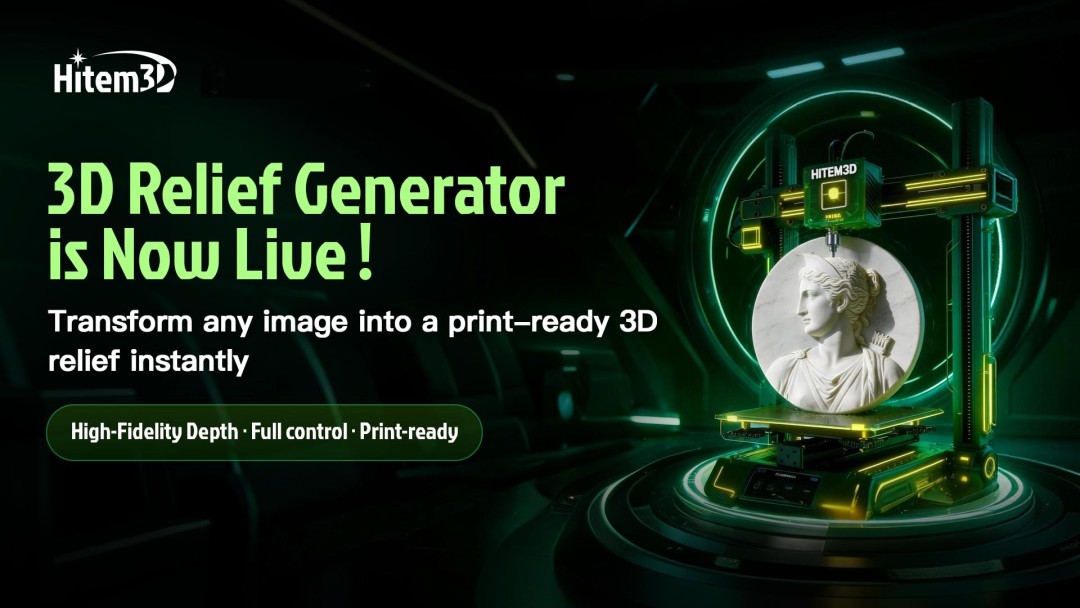
This shift has elevated geometry integrity as a central evaluation criterion. In earlier generations of image-to-3D tools, visually convincing output often masked deeper structural issues that only surfaced during editing or slicing. Gaps in surfaces, fragile topology, or ambiguous internal structures could undermine the efficiency gains promised by automation. As a result, users increasingly associate trust in AI systems with their ability to produce geometry that behaves consistently beyond the preview stage.
The concept of watertightness—a critical requirement for 3D printing that ensures models have no holes or gaps in their surface, which would otherwise confuse slicing software (much like a tiny hole in a balloon making it impossible to define “inside” vs. “outside”)—has become emblematic of this broader concern, even when not always explicitly stated. Even when perfect watertight meshes cannot be guaranteed from a single image, users now expect AI tools to reduce structural ambiguity and minimize the need for corrective intervention. In this sense, reliability is measured not by absolute perfection, but by how much friction an automated system removes from the downstream process.
Hitem3D’s development trajectory reflects this recalibration of priorities. Rather than positioning automation as a promise of flawless output, the platform aligns its image-to-3D generation with predictable structural behavior and production-aware reconstruction. This approach mirrors a wider industry recognition that automation must be accountable to real use cases, not just technical benchmarks.
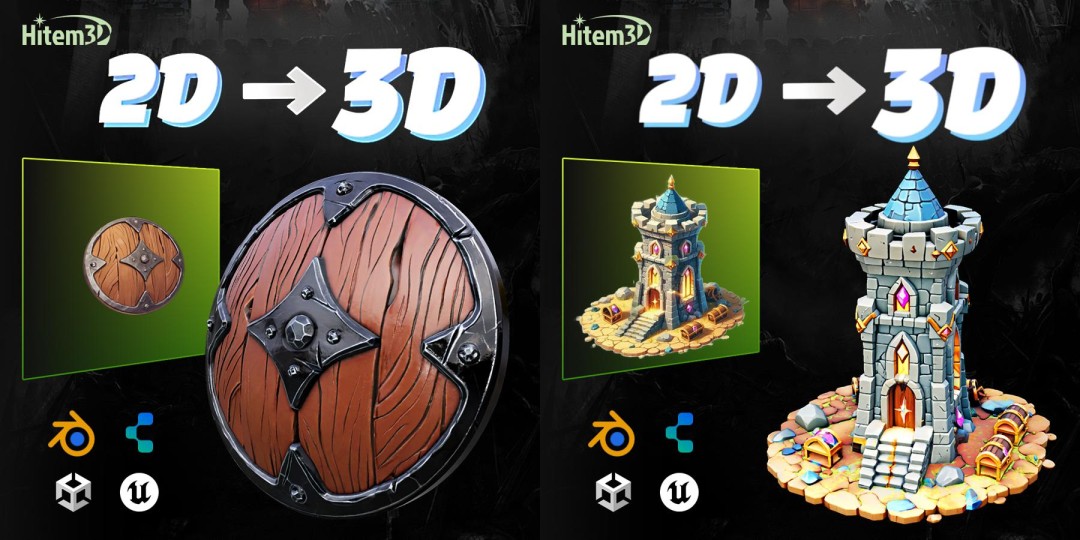
By 2026, the definition of “automatic” in image-to-3D generation has matured. It no longer implies an absence of oversight, but a dependable starting point that aligns with professional expectations. As AI tools continue to evolve, those that prioritize structural soundness and workflow compatibility—over surface-level spectacle—are shaping a more sustainable and trusted future for photo-based 3D modeling.
Try Print-Ready AI 3D Model Generation Today
Hitem3D is offering free 100 credits on signup—no credit card required. Professional users can access 1000 credits and standard queue priority at initial $9.9/month.
Start your free trial: hitem3d.ai
View sample outputs and print success rates: hitem3d.ai/3dprinting/use-case
About Hitem3D
Hitem3D, pioneered by MathMagic (founded 2024), has empowered over a million users across 150 countries since its launch. These solutions are now deeply integrated into the production pipelines of multiple Fortune 500 companies, establishing spatial AI as a new industrial standard. The platform specializes in converting single or multi-view images into production-ready 3D models, with particular strength in 3D printing, industrial design, and game asset creation. Notable users include industry leaders such as Bambu Lab and xTool. Hitem3D secured the #1 spot on the Hugging Face Space Trending list within a week of its model upload and maintained a top 3 position across all model categories for three consecutive weeks.
Information contained on this page is provided by an independent third-party content provider. XPRMedia and this Site make no warranties or representations in connection therewith. If you are affiliated with this page and would like it removed please contact [email protected]
