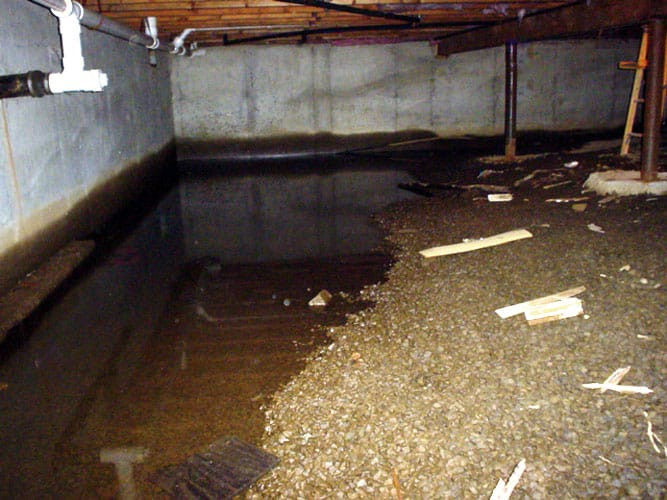

Poor basement drainage often leads to foundation problems long before a full flood occurs. Knowing how water moves around your home and what it does to the soil and walls helps you spot trouble early. This article explains how inadequate drainage harms foundations, the warning signs to watch for, and practical steps to prevent costly repairs. We cover hydrostatic pressure, soil types that make drainage worse, early indicators of water damage, and durable solutions for basement drainage.
Experts stress that foundations are central to a building’s overall stability — when they fail, the consequences can be severe.
Residential Foundation Failure and Building Stability
Foundations are the structural link between a building and the soil beneath it; they transfer the building’s loads into the ground. When foundation elements are damaged, the building’s overall stability is compromised and, depending on the damage’s extent, collapse can result.
A case study of foundation failure of a residential building: From diagnosis to repair, A. Merah, 2021
What Is Hydrostatic Pressure and How Does It Affect Your Foundation?
Hydrostatic pressure is the force groundwater exerts on the soil and the surfaces it surrounds — including your foundation. When the ground around a foundation becomes saturated, the water pushes against basement walls and floors. Over time this pressure can open cracks, cause walls to bow, and push water into the basement. Understanding hydrostatic pressure helps homeowners take the right steps to reduce risk.
 How Does Water Saturation Create Hydrostatic Pressure on Basement Walls?
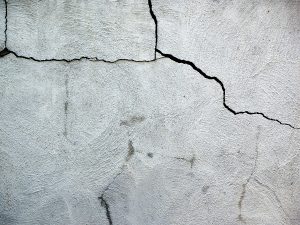
Soil saturation happens when the ground around your foundation holds more water than it can drain away — often after heavy rain or because of poor site drainage. As soil soaks up water it swells and presses outward against the foundation. That pressure can produce a range of problems, including:
- Cracks in Walls: Excess pressure can form visible horizontal or vertical cracks in foundation walls, weakening the structure.
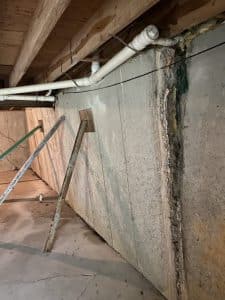
- Bowing Walls: Continuous lateral pressure may cause walls to bow inward, a sign of serious stress that usually needs professional repair.
- Water Intrusion: Hydrostatic force can force water through small cracks and joints, leading to dampness and mold inside the basement.
Installing proper exterior and interior drainage systems is the most effective way to lower hydrostatic pressure and protect your foundation.
What Are the Early Signs of Hydrostatic Pressure Damage?
Catching hydrostatic pressure damage early can save you from major repairs. Watch for these common warning signs:
- Cracks in Walls: New or widening cracks—especially horizontal ones—can indicate pressure from saturated soil.
- Dampness in the Basement: Persistent moisture, puddles, or wet spots on floors and walls point to water entry.
- Bowing Walls: Any inward movement or bowing is a clear sign of excessive lateral pressure.
If you notice these signs, have the area inspected and address drainage issues quickly to prevent escalation.
Which Soil Types and Conditions Increase Foundation Risks from Poor Drainage?
Your soil type and site conditions play a big role in how water affects your foundation. Some soils hold and move water in ways that increase the chance of pressure and movement against foundation walls.
How Do Clay-Heavy Soils Cause Soil Expansion and Contraction?
Clay-rich soils absorb and retain moisture, expanding when wet and shrinking as they dry. That cyclical swelling and shrinking exerts shifting forces on foundations: swelling increases lateral pressure, and shrinkage can cause settling and cracks. Homeowners should consider practical steps such as:
- Soil Testing: Have the soil around your foundation tested to learn its composition and how it handles water.
- Drainage Solutions: Tailor drainage and grading fixes to the soil type to limit expansion and contraction.
What Role Does Improper Grading and Water Pooling Play in Foundation Stress?
When the ground slopes toward the house or the yard holds standing water, more water sits next to the foundation and increases hydrostatic pressure. To reduce that stress, homeowners should be alert to:
- Signs of Water Pooling: Repeated standing water or soggy areas near foundations after rain indicates poor surface drainage.
- Grading Adjustments: Make sure landscaping slopes away from the house so rainwater moves away from the foundation.
Fixing grading and eliminating low spots near the foundation can greatly reduce long-term risk.
What Are the Early Signs of Water Damage to Your Foundation Before Flooding Occurs?
Spotting subtle exterior and interior clues can help you address water damage before a major problem develops. Be proactive when you see these indicators.
Which Exterior Indicators Signal Poor Basement Drainage?
Common exterior signs that drainage is failing include:
- Pooling Water Around the Foundation: Water collecting at the base of exterior walls shows that runoff isn’t being redirected properly.
- Cracked Pavement or Walkways: Soil movement from moisture changes can break concrete and asphalt near the foundation.
- Wet Spots in the Yard: Areas that remain wet long after rain suggest poor infiltration or drainage.
Addressing these problems sooner prevents them from translating into foundation damage.
What Interior Signs Reveal Foundation Water Damage?
Inside the home, look for these early warning signs:
- Dampness in the Basement: Ongoing dampness on walls or floors usually means water is entering or failing to drain away.
- Mold Growth: Mold or mildew signals persistent moisture and a potential health concern.
- Cracks in Walls: Interior wall cracks—especially near windows, doors, or the ceiling—may indicate foundation movement caused by water.
When you see interior signs, investigate the source and correct drainage issues before structural damage worsens.
How Can Basement Drainage Solutions Protect Your Foundation Long-Term?
Well-planned drainage systems control where water goes and keep it away from foundation walls. The right combination of exterior and interior solutions reduces hydrostatic pressure and protects your home for years.
What Exterior Drainage Systems Prevent Water Damage?
Exterior options like French drains, surface drains, and properly installed downspouts are designed to collect and move water away from the foundation. They work by:
- Collecting Water: Capturing excess runoff before it soaks into the soil beside the foundation.
- Redirecting Flow: Carrying water to a safe discharge point well away from the home.
- Preventing Erosion: Stabilizing soil to avoid the soil loss that can undermine foundations.
Many exterior solutions also include subsurface components that manage groundwater before it builds pressure against walls.
Subsurface Drainage Systems for Groundwater Removal
Subsurface drainage removes excess groundwater beneath the surface. Perforated drain tubing is typically installed about 1 to 2 m below grade. This method—originally called tile drainage when ceramic tiles were used—involves spacing and depth decisions that depend on soil hydraulic conductivity and site conditions. Designing effective subsurface drainage requires analysis of hydrology, soil texture and chemistry, topography, and construction materials.
Subsurface Drainage Design and Installation, P. Waller, 2016
When properly designed and installed, these systems give long-term protection against groundwater-related damage.
How Do Interior Drainage Systems Like Sump Pumps Work?
Interior systems handle water that reaches the basement despite exterior defenses. A typical setup functions by:
- Collecting Water: Interior drains and collection basins gather water that seeps through cracks or porous walls.
- Pumping Water Out: A sump pump activates at a set level and moves collected water away from the foundation.
- Maintaining Dry Conditions: By removing water quickly, these systems reduce mold risk and limit structural harm.
Routine checks and maintenance keep pumps and interior systems reliable during heavy rains or seasonal groundwater rises.
How Does Preventing Foundation Cracks from Water Damage Save Costs and Property Value?
Stopping water-related foundation damage early protects your home’s structure and your investment. Preventive measures are almost always less costly than major repairs and help preserve resale value.
 Why Is Early Detection and Maintenance Critical for Foundation Health?
Catching problems early and staying on a maintenance schedule can avoid expensive interventions. Consider these points:
- Cost Implications: Foundation repairs range from modest interventions to thousands or tens of thousands of dollars depending on severity.
- Impact on Property Value: A known foundation issue can significantly reduce a home’s market value and complicate a sale.
- Importance of Regular Maintenance: Routine inspections, gutter care, and drainage upkeep help you spot and fix issues before they become serious.
Proactive investment in drainage and maintenance protects both your home and your budget.
What Are the Benefits of Professional Waterproofing and Foundation Repair Services?
Hiring experienced professionals brings several advantages:
- Expertise and Experience: Trained technicians diagnose complex drainage and foundation problems and recommend solutions tailored to your site.
- Warranty and Guarantees: Many companies back their work with warranties, giving you peace of mind.
- Long-Term Cost Savings: Quality repairs and waterproofing reduce recurring problems and expensive follow-up work.
Working with qualified waterproofing and foundation specialists ensures your home stays secure and dry for the long term.