
Advocates Question Why Combat-Injured Veterans’ Retirement Is Deemed Unaffordable Amid Billions in Federal Spending
Tupelo, Mississippi Jan 1, 2026 (Issuewire.com) As Congress continues to approve large foreign aid and defense spending packages, advocates for combat-injured veterans are questioning what they describe as a stark contradiction: roughly 54,000 wounded, medically retired veterans are told that restoring their earned military retirement pay is too costly to fund.
Supporters of the Major Richard Star Act say the issue is not fiscal capacity, but congressional priorities. They are urging lawmakers to support S.Amdt. 4056, which would advance the long-stalled legislation and restore retirement pay to eligible combat-injured veterans.
Combat-injured veterans are asking a simple question, said Senior Chief Shane Junkert, USN (Ret.), a decorated combat veteran and founder of 54KVeterans.org. If Congress can approve massive spending packages year after year, why is the retirement pay we earned through combat service treated as unaffordable?
Spending Priorities Under Scrutiny
Since 2021, Congress has approved tens of billions of dollars tied to Afghanistan-related efforts, passed a roughly $95 billion foreign aid package for Ukraine, Israel, and Indo-Pacific partners, and advanced a fiscal year 2026 defense authorization approaching $925 billion.
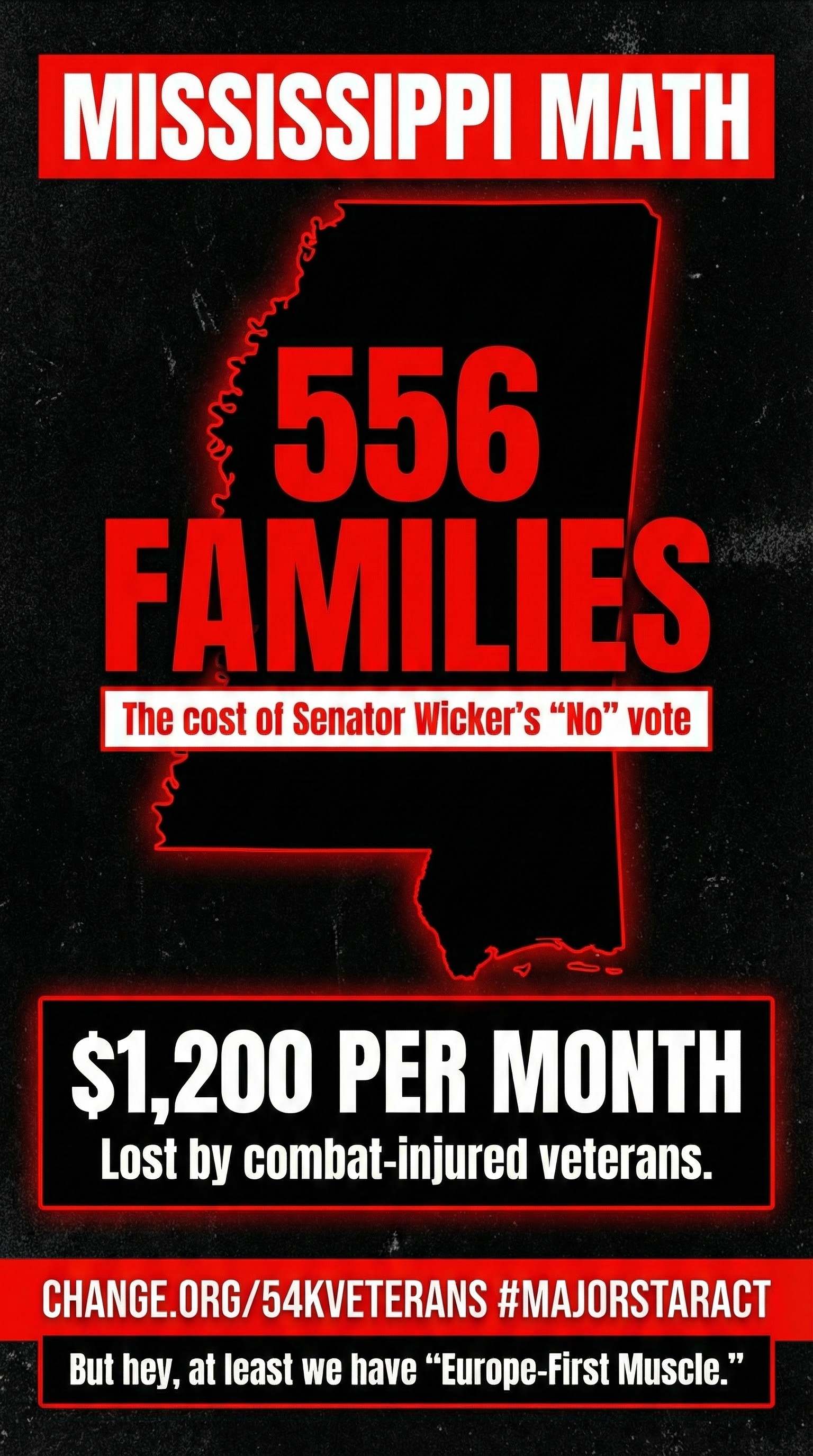
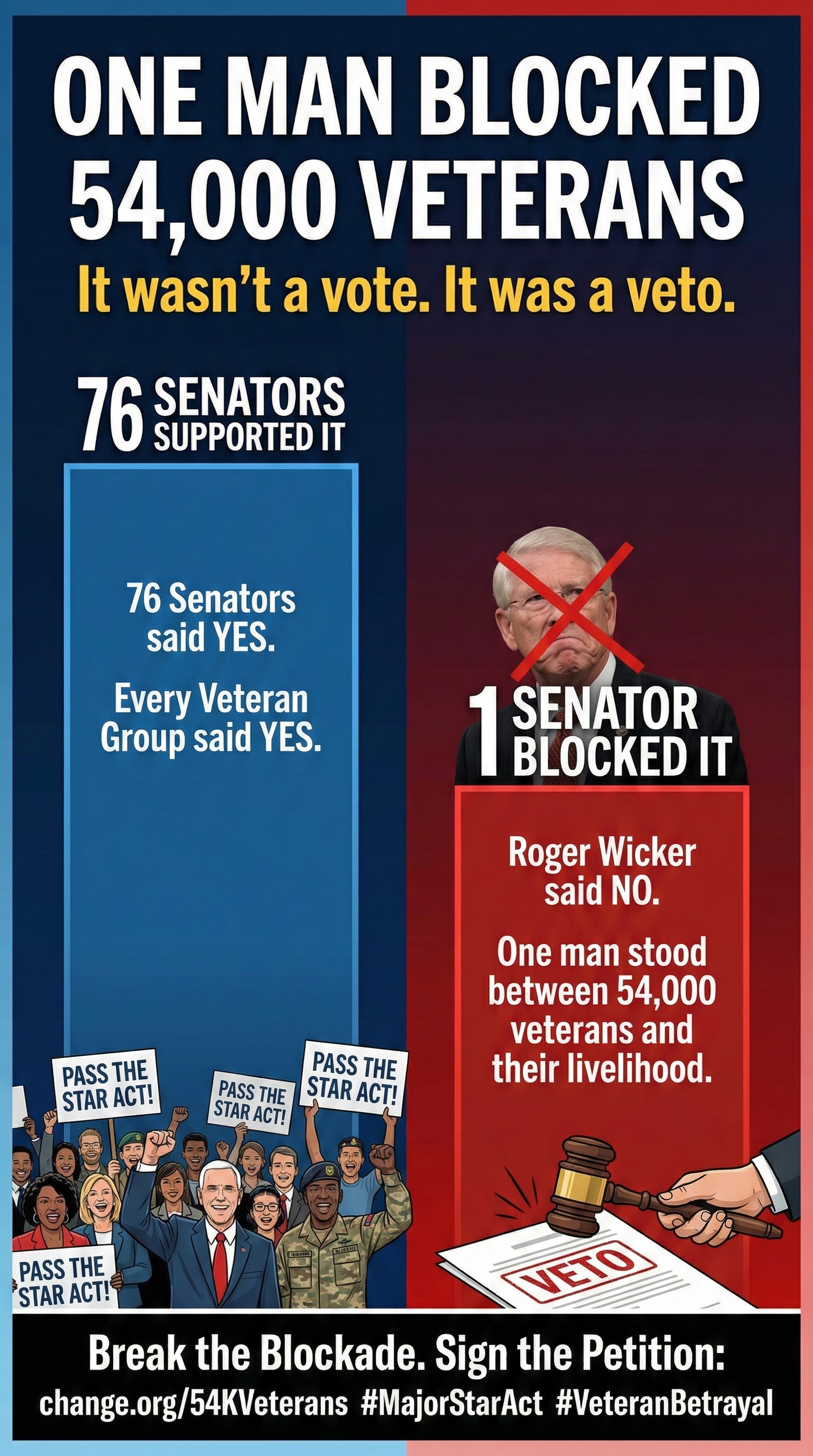
During the same period, advocates note, the Major Richard Star Acta narrowly targeted bill addressing a specific retirement offset for combat-injured veteranshas repeatedly stalled, most recently after an objection during U.S. Senate floor consideration.
The estimated cost of the legislation is approximately $9.75 billion over ten years, or about $975 million annually.
This isnt about whether Congress can spend money, Junkert said. Congress demonstrates every year that it can. This is about what Congress chooses to spend money on, and who is left behind when those choices are made.
What the Major Star Act Fixes
The Major Richard Star Act applies to a limited group of veterans: those medically retired under Chapter 61 due to combat-related injuries before completing 20 years of service.
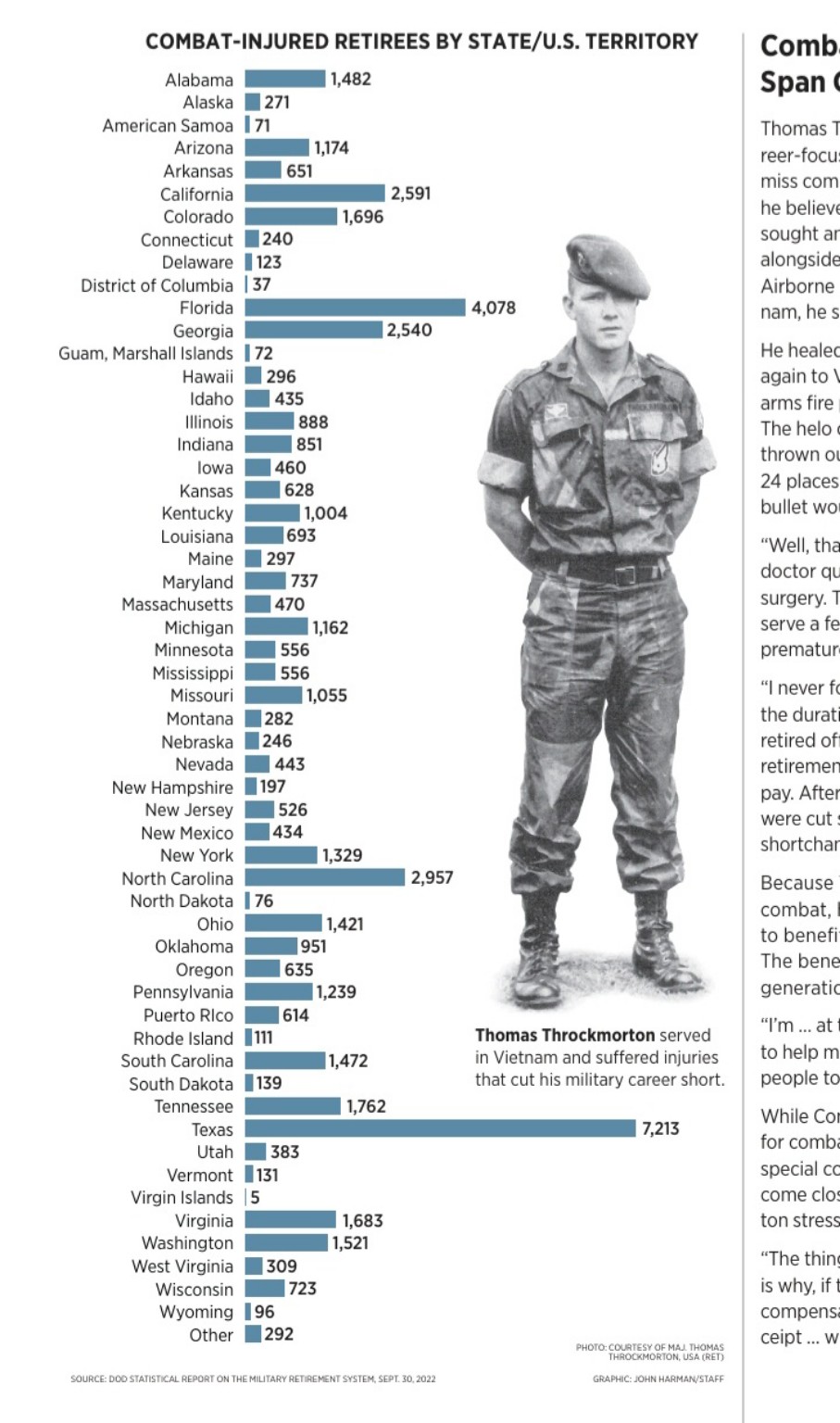
Under current law, many of these veterans must waive their Department of Defense retired pay dollar-for-dollar when receiving VA disability compensation. For approximately 54,000 combat-injured retirees, VA compensation replacesrather than supplementstheir military retirement, often reducing earned retired pay to zero.
The legislation would end this offset for that group only. It would not create a new entitlement, expand eligibility, or alter VA disability ratings. Instead, it would allow eligible veterans to receive both the retired pay earned through service and the disability compensation awarded for their injuries.
Retired pay and disability compensation come from different statutes and serve different purposes, Junkert said. One recognizes service. The other recognizes injury. Calling that a double benefit is not how the law treats anyone else.
Spending Choices, Not Math
Supporters emphasize that the bills cost represents a small fraction of annual defense spending.
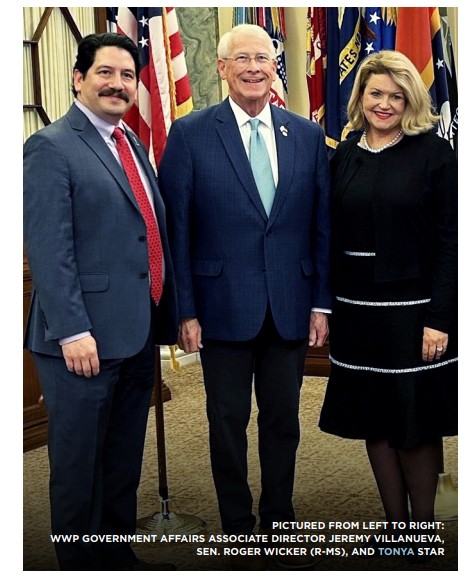
As chair of the Senate Armed Services Committee, Senator Roger Wicker of Mississippi plays a key role in shaping major defense spending priorities, Junkert said. When Washington wants programs or hardware, it finds the money. Veterans are asking why the same urgency doesnt apply to those injured in combat.
Advocates also caution that citing the bills ten-year cost without context can distort public perception.
When you remove the timeframe, the number sounds much larger than it is, Junkert said. That framing matters when lawmakers are trying to justify inaction.
Veterans Funding Advocacy Efforts
Following the stalled Senate action, combat-injured veterans and their families began paying out of pocket to keep the issue visible through grassroots outreach and public awareness campaigns. Veterans are also building pressure through a growing national petition calling on Congress to pass the Major Star Act and end the retirement offset.
https://youtu.be/zMYuPw4ELTA?si=Fy2EsseWt1ChaRX4
These arent political action committees or wealthy donors, Junkert said. Theyre veterans paying to ask why the country can afford almost everything except them.
Next Legislative Step: S.Amdt. 4056
On December 16, 2025, Senator Richard Blumenthal filed S.Amdt. 4056 to H.R. 4016, the Department of Defense Appropriations Act for fiscal year 2026. The amendment would attach the full Major Richard Star Act to a must-pass defense funding bill, requiring senators to take an on-the-record position.
This is no longer about quiet procedural objections, Junkert said. If the Star Act moves with defense appropriations, senators will have to publicly decide whether less than one billion dollars a year for combat-injured retirees is truly unaffordable.
About 54KVeterans.org
54KVeterans.org is a grassroots coalition of combat-injured veterans advocating for passage of the Major Richard Star Act. The organization is led by Senior Chief Shane Junkert, USN (Ret.), a decorated combat veteran who completed six deployments during 18.5 years of service before being medically retired due to combat-related injuries. The coalition represents approximately 54,000 veterans nationwide affected by the Chapter 61 retirement offset.
Source :54K Veterans
This article was originally published by IssueWire. Read the original article here.
Information contained on this page is provided by an independent third-party content provider. XPRMedia and this Site make no warranties or representations in connection therewith. If you are affiliated with this page and would like it removed please contact [email protected]
